Change the shape and context of a white shirt: open over a base layer, loosely tucked with trousers, or buttoned with relaxed denim.
A white shirt is often called a wardrobe essential, but it is only essential if you like wearing it. For some people that means crisp cotton and a neat collar. For others it means a soft, slightly oversized shirt with sleeves pushed up. Start with the version that feels comfortable on you.
These three combinations use the shirt differently rather than relying on three sets of new accessories. Treat each as a suggestion and swap in your own colors, shapes, and footwear.
A relaxed workday: give it a quiet frame
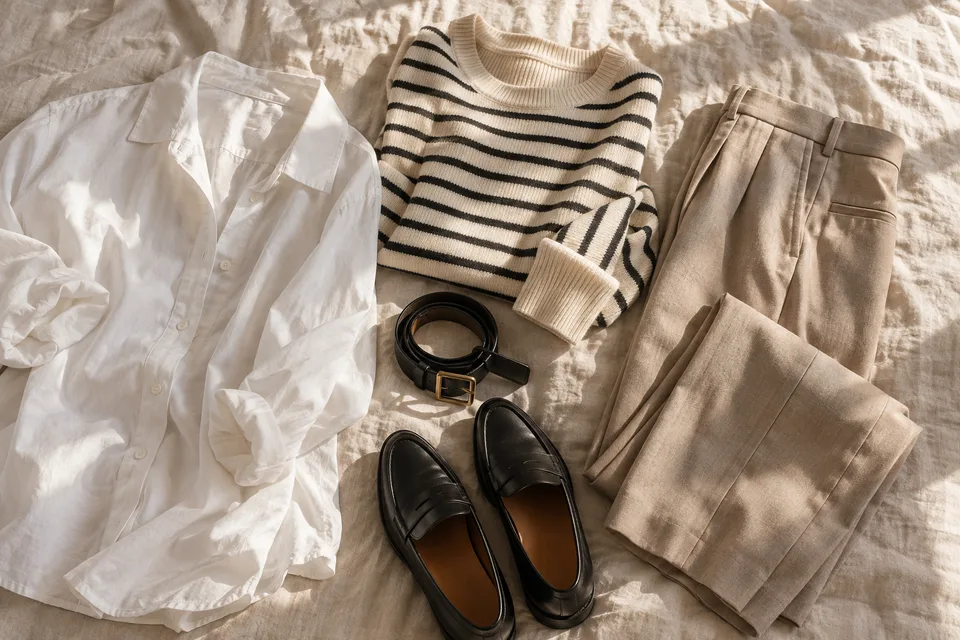
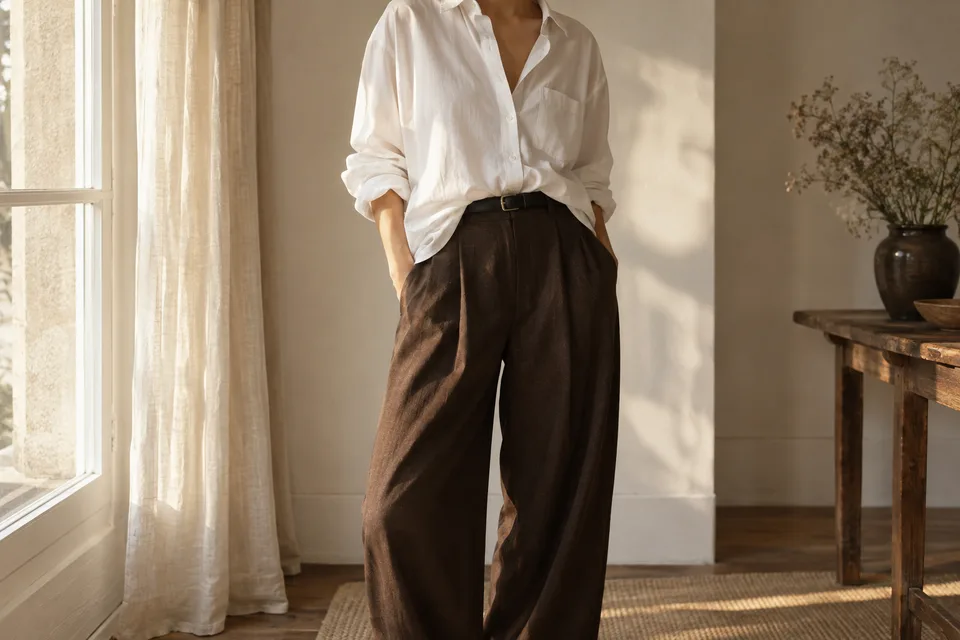
Pair the shirt with trousers that fit comfortably at the waist when seated. Try a full tuck, a small front tuck, and no tuck before choosing. Each changes the proportion; none is automatically more polished than another.
Add shoes suitable for the way you travel and the expectations of your workplace. A simple belt can connect the top and bottom if you want a more defined waist. Leave the rest of the accessories light so the shirt’s shape remains the focus.
Before heading out, move through your normal range of motion. A shirt that pulls at the buttons or restricts your shoulders will probably not become more comfortable after an hour at a desk.
A Saturday outside: wear it as a layer
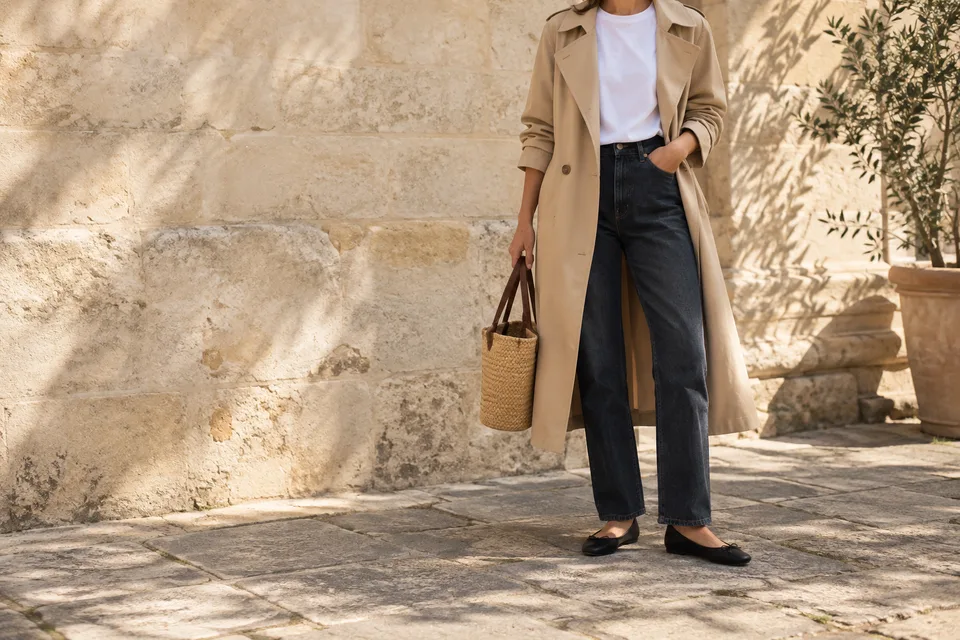
Open the shirt over a tank or T-shirt and combine it with loose trousers or a skirt. The open front creates a different outline, and the layer is easy to remove if the day warms up.
Push up the sleeves loosely rather than making tight rolls that restrict the elbows. Choose a bag that leaves your hands free if you are walking or browsing. If the shirt is very light or sheer, consider how the base layer appears in daylight.
An open shirt is not a substitute for weather protection. Bring the coat, sun protection, or rain layer your plans require. An outfit should remain useful outside the photograph.
A simple evening: change one contrast
Button the shirt over dark denim or a fluid skirt. Try a different shoe or a single piece of jewelry you already own. A softer bag or a slightly different neckline can change the mood without turning the outfit into something unfamiliar.
If you enjoy a more relaxed finish, leave the collar open and let the cuffs sit naturally. If you prefer a cleaner outline, button the cuffs and tuck the hem. The evening version should still feel like your shirt.
Care is part of the choice
Read the garment’s care label before deciding how to wash, dry, or iron it. Fiber blends, finishes, trims, and construction can change what a shirt tolerates. Do not assume that every white fabric can be bleached or washed hot.
The FTC’s care-label guidance explains the purpose of the care instructions provided with clothing. For a practical home routine, see a gentler wardrobe care routine.
Let repetition become familiar
Photograph the combination you liked best. Next time, change just one element. A shirt becomes versatile through the ways you use it, not through the number of outfits someone says it can make. Three reliable combinations are already a useful beginning.
A few good questions
How can I wear a white shirt casually?
Wear it open over a tank or T-shirt with relaxed trousers, or pair it with denim and comfortable flat shoes.
What should I check before buying a white shirt?
Check comfort when sitting and reaching, opacity in daylight, sleeve length, and the garment’s care instructions.
Published and reviewed October 6, 2026. Editorial disclosure.