Follow each garment’s care label, check for small repairs, and store pieces in a way that supports their shape. There is no single washing rule for every fabric.
Looking after clothes starts with noticing them. A loose button is easier to deal with before it falls off, and a small mark is easier to investigate when you know what caused it. A useful care routine gives you a place to make those observations without turning laundry into a second job.
This guide offers general organizing ideas. The instructions supplied with an individual garment take priority, especially for delicate fabrics, finishes, trims, and items marked for professional cleaning.
Make the label your starting point
Before the first wash, read both the washing and drying instructions. Check ironing guidance too. A fabric name alone is not enough to choose a method because dyes, construction, and decoration can affect care.
If a symbol is unfamiliar, look up the meaning before proceeding. The FTC’s clothing care-label guidance describes how instructions and warnings are used on clothing sold in the United States. Do not treat a general online tip as permission to ignore a warning on your item.
Create three temporary places
Separate clothes that need washing, clothes that can be returned to the wardrobe after airing when appropriate, and clothes that need attention. A small basket or a dedicated hook can make the third category visible.
Avoid leaving damp items in a pile. Follow the item’s instructions and allow appropriate drying before storage. If an item is dirty, contaminated, or needs cleaning for another reason, airing is not a substitute for the required cleaning.
Notice repairs while they are small
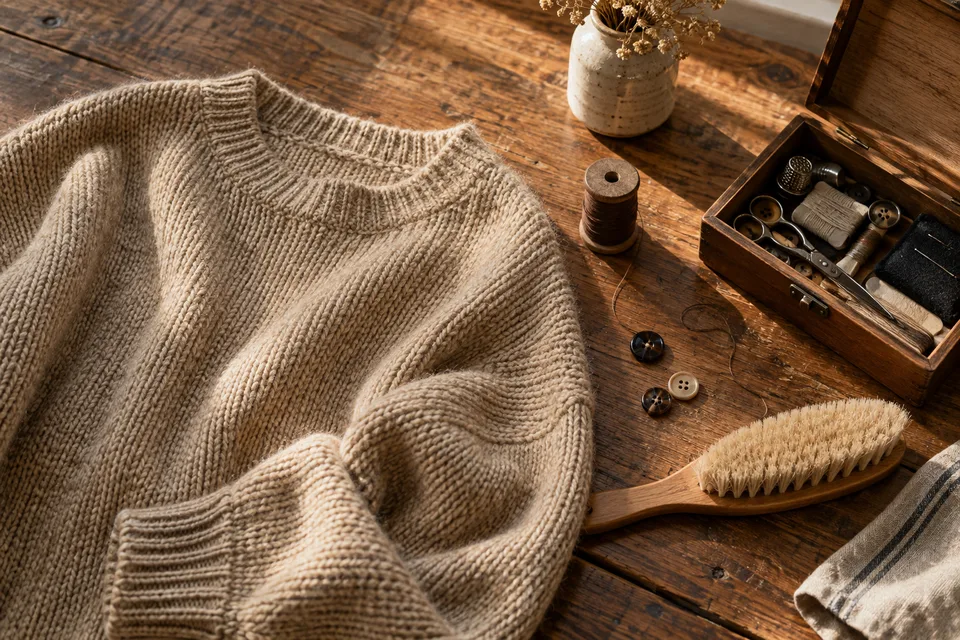
Check buttons, seams, and hems as you put clothes away. A loose thread is a reason to inspect, not a reason to pull. If you know how to sew on a button or secure a simple hem, keep a small repair kit in an easy-to-reach place.
For a damaged zipper, structured garment, or fabric you are unsure about, a tailor or cleaner can advise on the next step. Ask for an estimate before deciding whether to repair. Sentimental value and usefulness may matter as much as the original price.
Match storage to the garment
Heavy knitwear may lose its shape on a hanger, while a structured jacket can benefit from suitable support. Follow any garment-specific guidance, and look at how an item sits after a week in your wardrobe.
Give clothes enough space that they are easy to remove without dragging other pieces out. Keep frequently worn items within reach. Storage works best when returning an item is almost as easy as leaving it on a chair.
Keep a short care note
If an item has a special requirement, record it in a note or photograph the label. This can be useful if the label fades or if someone else helps with laundry. Include the item’s identity so the instructions cannot be confused with those for a similar piece.
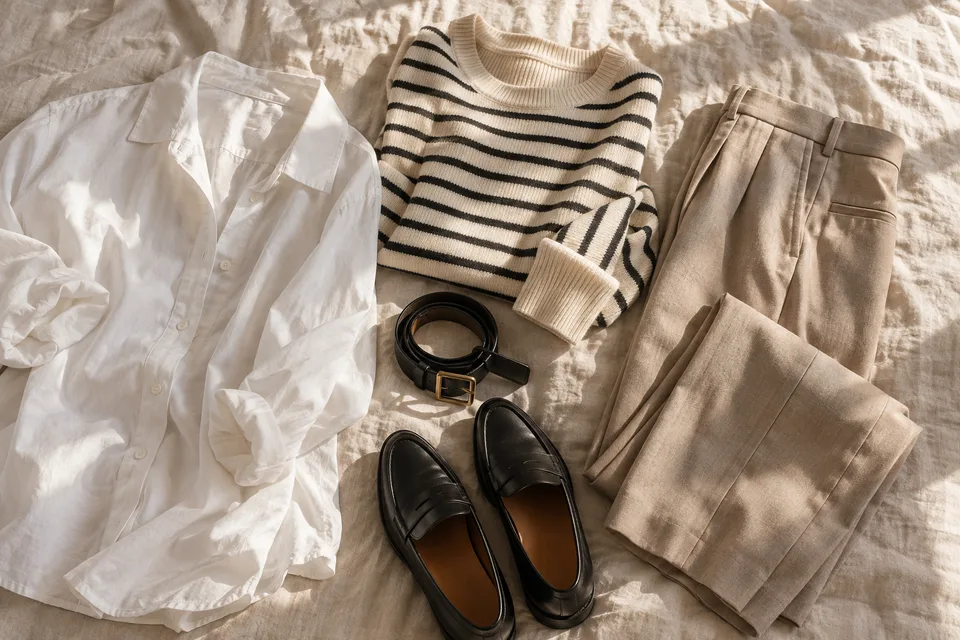
A care note is particularly helpful when building a small capsule wardrobe, because the same pieces may be worn more frequently. The goal is a manageable routine based on the clothes you own, with fewer guesses and fewer avoidable mistakes.
A few good questions
Should all clothes be washed in cold water?
No single temperature is right for every garment or situation. Follow the care label and use a method suited to the item and the type of soil.
Is air-drying always safe?
Not automatically. Follow the drying instructions. Some garments need to dry flat; others may need professional care or a specified machine setting.
Published and reviewed October 6, 2026. Editorial disclosure.