Plan one small outing around a place you already know or can easily reach, then leave part of the day open. A good weekend does not need a packed itinerary.
A weekend can feel full before it has begun: errands, social plans, household jobs, and the vague sense that free time should be used well. A smaller plan can give the day a shape without taking all of its space.
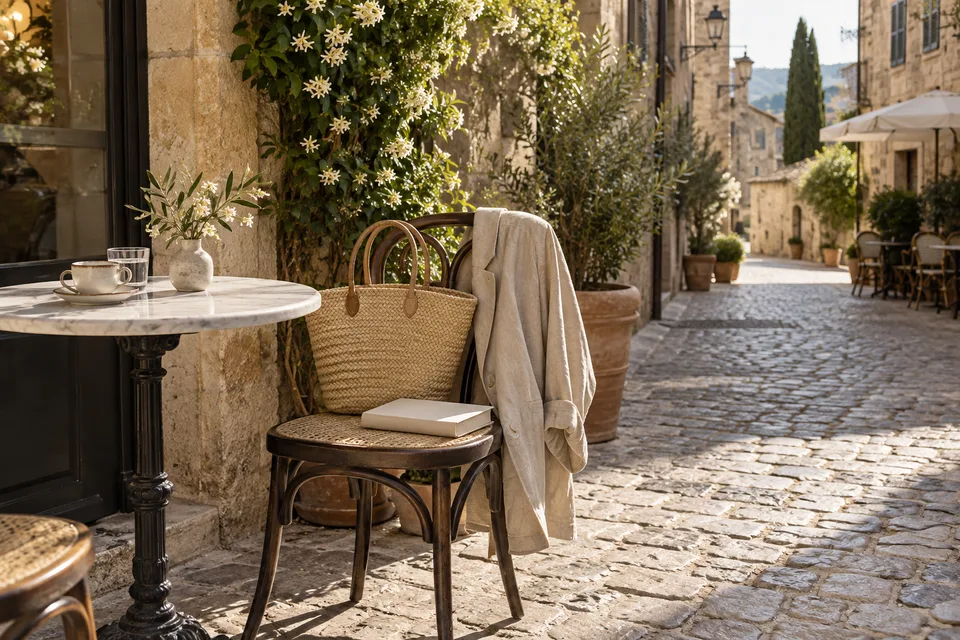
Choose one thing you would enjoy doing close to home. It might be walking a familiar route in the other direction, visiting a library, or taking a book to a quiet café. The destination does not need to be new for the experience to feel different.
Give the day one anchor
An anchor is a plan you can name in a sentence. “Walk to the park after breakfast” is enough. Keep the travel and preparation in proportion to the amount of time you want to spend there.
Check practical details before leaving: opening hours, access, weather, and any costs. If you need accessible facilities or step-free access, verify those details directly with the venue. Do not rely on a mood board or an old listing for current arrangements.
Leave a space beside the plan
Avoid immediately attaching three more stops to the outing. A little unscheduled time makes it possible to linger, return early, or notice something along the way. It also leaves room for the ordinary tasks that still need doing.
If you like structure, name an end point instead of adding more activities. Decide when you want to be home or how much you want to spend. A simple boundary can make the open space easier to enjoy.
Carry only what supports the outing
Choose comfortable clothing and shoes for the actual route and weather. Bring the essentials you need, including appropriate weather protection. A small bag is useful only if it can carry those things comfortably.
If a book or notebook is part of the plan, choose one. You do not need to pack for several different versions of the afternoon. For an outfit that stays easy, use the everyday outfit formula.
Make a home version
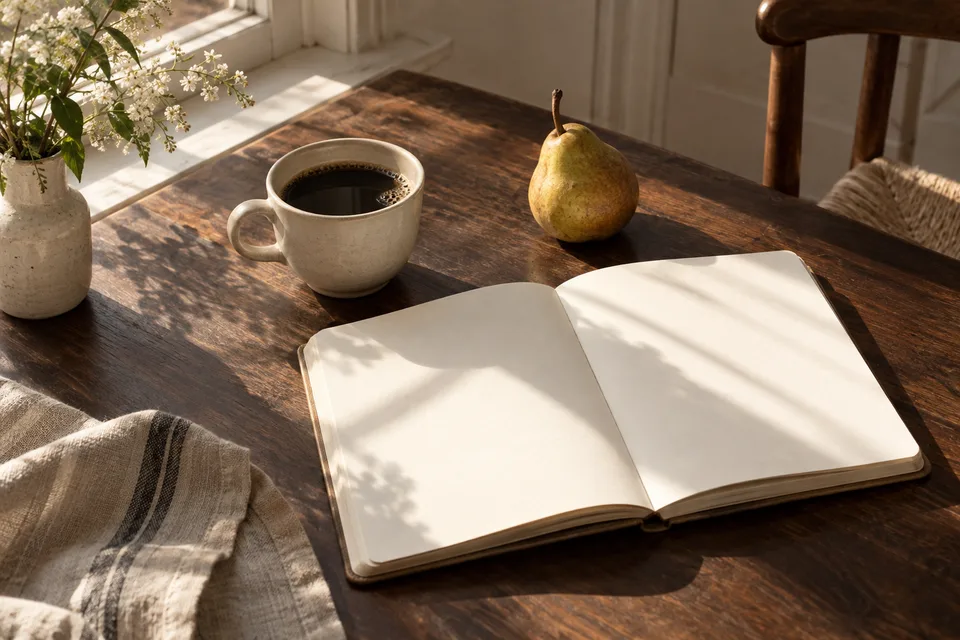
Sometimes the most appealing weekend is one with less travel. Move a chair toward the light, put a favorite record on, or make a meal you enjoy preparing. Give the activity a little space from the usual background chores.
A home version is especially useful when weather, energy, or budget changes. It should feel like an option you chose, not a consolation prize. The same intention—an unhurried moment—can exist in more than one place.
Bring one detail back
After the outing, write down something you noticed: an interesting color combination, a good place to sit, or a route you would walk again. You are building a small map of things that suit your own life.
Repeat the places that work. Familiarity can make a weekend feel easier because fewer decisions are required. A lovely day does not have to become a story worth posting; it can simply be a day you enjoyed living.
A few good questions
How can I plan a low-cost weekend?
Begin with nearby public spaces, a walk, a library visit, or a meal at home. Check opening hours and any entry or transport costs before leaving.
What if the weather changes?
Keep an indoor alternative nearby or choose to stay home. A flexible plan should be easy to change without feeling like a failed day.
Published and reviewed October 6, 2026. Editorial disclosure.